
-
Boy
-
 Casual for Kids
-
 Βρεφικά - Αγκαλιάς
-
 Super Heroes Αγόρι
-
 Αθλητικά Παιδικά για Αγόρια
-
 Sports Boots
-
 Soccer shoes
-
 Boots for Boys
-
 Boy's Boots
-
 Boys Apre Ski Boots
-
 Παντοφλάκια για Αγόρια
-
 Παιδικά Μοκασίνια
-
 Χαμηλά Παπούτσια για Αγόρια
-
 Πάνινα Παπούτσια
-
 Εσπαντρίγιες για Αγόρια
-
 Κλειστά Πέδιλα για Αγόρια
-
 Πέδιλα για Αγόρια
-
 Shampo For Boys
-
 Σαγιονάρες για Αγόρια
-
 Κάλτσες για Αγόρι
-
 Ένδυση Αγόρι
-
-
Girl
-
 Casual Κορίτσι
-
 Βρεφικά - Αγκαλιάς
-
 Super Heroes Girl
-
 Athletic for Girls
-
 Sport Boots
-
 Boots for Girls
-
 Children's Boots
-
 Apre Ski Boots
-
 Children's wellies
-
 Slippers for Girls
-
 Ballerinas for Girls
-
 Children's barrettes
-
 Low for a Girl
-
 Πάνινα για Κορίτσι
-
 Εσπαντρίγιες για Κορίτσι
-
 Closed Shoes
-
 Sandals for Girls
-
 Shampo For Girls
-
 Σαγιονάρες για Κορίτσι
-
 Κάλτσες για Κορίτσι
-
 Καλσόν για Κορίτσι
-
 Ένδυση Κορίτσι
-
- Man
- Woman
- Accessories




Κλειστό ή ανοιχτό παιδικό πέδιλο;
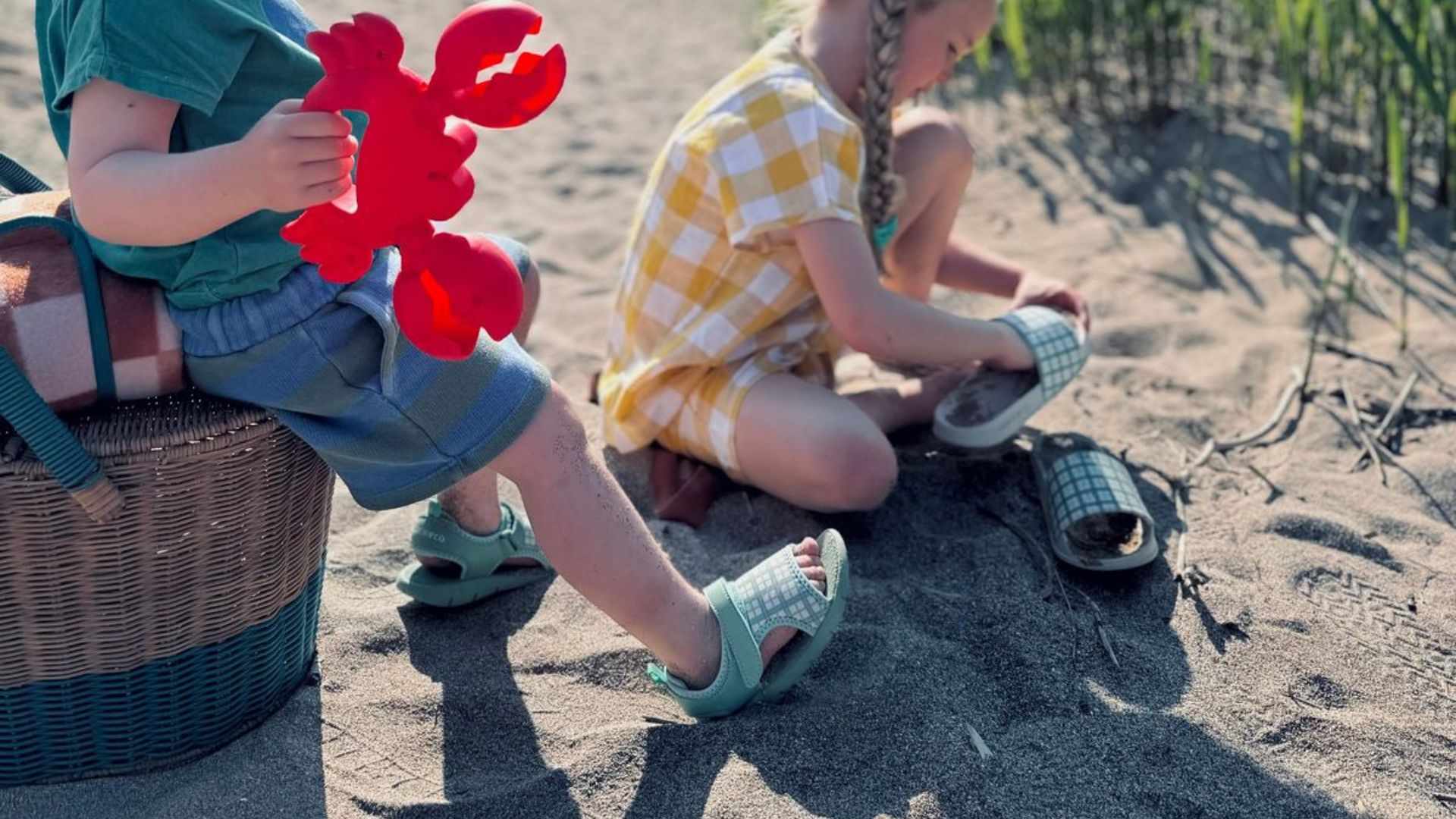
Choosing children's sandals for the summer, as simple as it may sound, usually gives you pause. Closed or open? Should they have front protection or be more "breathable"? It is one of those decisions that seem small but, in practice, affect how comfortably and carefreely your child will move throughout the day.
There is no single right answer for everyone. The choice changes depending on age, how active the child is, and where the sandals will be worn — in the yard, on a walk, or on vacation.
Let’s look at the practical differences between closed and open children's sandals and how to determine which best fits your daily routine.
What Closed-Toe Children's Sandals Offer
Closed sandals cover the front of the foot, protecting the toes from impacts and abrasions. This protection is particularly important for younger children or those who move intensely in yards, playgrounds, or areas with uneven surfaces.
Beyond safety, the closed design:
-
Holds the toes better in place
-
Reduces forward foot slippage
-
Offers a more stable walking sensation
That is why they are often preferred for daily use and long hours of activity.
When Open-Toe Children's Sandals Are Suitable
While closed sandals emphasize protection, open-toe sandals move in the opposite direction: more freedom and a greater sense of coolness. By leaving a larger part of the foot exposed, they allow for better air circulation, which becomes especially important in high temperatures or very hot environments.
The more "open" construction also positively affects other practical elements. Specifically, open children's sandals:
-
Are lighter, reducing the weight on the foot during prolonged use.
-
Dry faster, which is useful at the beach, pool, or summer outings in general.
-
Provide greater freedom of movement, as the foot is not restricted at the front.
Therefore, they are often a good choice for milder activities, vacations, or cases where comfort and lightness take priority over extra protection.
And here lies the real question: when do you need protection and when is coolness the priority? That is exactly where your final choice differentiates.
Which is Safer?
Safety depends not only on whether the sandal is closed or open but also on the fit and the sole. A well-designed open-toe sandal with good support can be just as safe as a closed model, provided that it:
-
Stabilizes the heel
-
Features a non-slip sole
-
Fits correctly at the instep
The criterion is not just the design, but the overall construction.
Age and Activity Level
If you look at it through a practical lens, age and activity level are the first filters. At younger ages — where running is spontaneous and "bumps" are part of the game — the extra protection of a closed sandal offers a greater sense of security. The toe coverage acts protectively against daily minor impacts that are hard to avoid.
As the child grows and gains a steadier gait and better movement control, their needs change. An open sandal can now fully cover their daily routine, offering more freedom and comfort without reducing practicality.
An equally important factor is the duration of use. If the sandal is to be worn for many hours every day — at school, on walks, during play — then stability, proper fit, and a quality sole become more important than mere coolness. In these cases, support truly makes a difference at the end of the day after the child has taken countless steps.
So, the Ideal Sandal is?
At the end of the day, the choice between closed and open children's sandals is not a matter of "right" or "wrong," but a matter of suitability. Each design has its role — the goal is for it to match the child's pace and actual needs.
For younger ages or intense daily use, the closed sandal provides the extra protection and stability that offer more confidence to the parent and greater safety during play. On the other hand, for more relaxed activities or in conditions of intense heat, an open sandal offers the coolness and freedom that make a difference in comfort.
When the choice is based on where and how the sandal will be worn — and not just on the design or color — the result is more meaningful. The child moves comfortably, feeling freedom and protection simultaneously, and summer flows without minor discomforts that could easily have been avoided with a more targeted choice.
Frequently Asked Questions for Closed & Open Children's Sandals
Are closed-toe children's sandals safer? Closed sandals offer extra toe protection, making them more suitable for younger ages or children who play intensely. However, overall safety also depends on the sole, heel stability, and proper fit.
Can open-toe sandals be worn daily? Yes, as long as they provide proper support and a quality sole. For long hours of use, it is important that they fit securely and do not allow the foot to slide inside the sandal.
Which sandal is better for vacations? For vacations, especially in hot environments or near the sea, open sandals are cooler and dry faster. However, if a lot of walking is expected, prefer a model with good support and a durable sole.
At what age are closed-toe sandals preferred? Usually for younger children who have not fully stabilized their gait or who play more spontaneously. Front protection reduces the risk of minor injuries.
How do I know if the sandal is suitable for my child? Consider three key elements:
-
How intensely they move during the day.
-
How many hours they will be wearing them.
-
What surfaces they will be walking on.
Πρόσφατες δημοσιεύσεις


& Apparel
Personalization

Products

Progressive Web Apps

Products